Hounslow High Street guide to rubbish removal for residents
Posted on 01/05/2026
If you live near Hounslow High Street, rubbish removal can feel oddly complicated for something so ordinary. One week it is a broken wardrobe, the next it is bags from a flat move, old garden cuttings, or the leftover mess after a kitchen refit. Add traffic, tight parking, and shared entrances, and suddenly a simple clearance becomes a small project. This Hounslow High Street guide to rubbish removal for residents is here to make that easier, with clear steps, local context, and practical advice you can actually use.
Whether you are clearing one bulky item or planning a full household clear-out, the aim is the same: get waste removed safely, legally, and without turning your day into a stress parade. Let's face it, nobody wants a pile of rubbish sitting by the front door longer than it has to.

Why Hounslow High Street guide to rubbish removal for residents matters
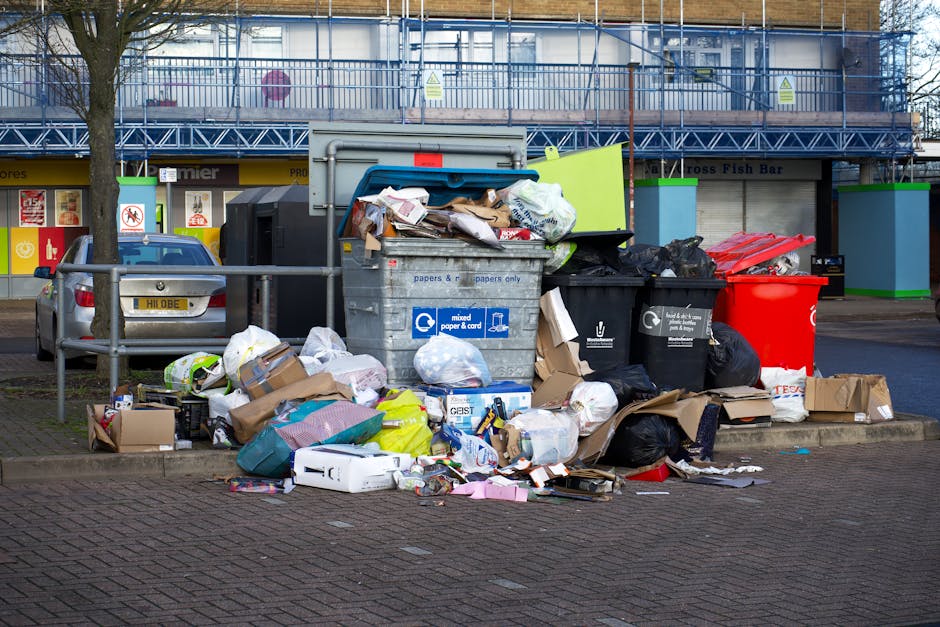
High streets are busy places. On and around Hounslow High Street, rubbish can become a nuisance quickly if it is left in shared hallways, on pavements, or beside communal bins. That affects more than appearance. It can attract pests, create trip hazards, block access, and make neighbours understandably annoyed. In a dense part of London, small problems spread fast.
For residents, rubbish removal matters because the easiest option is not always the cleanest, safest, or most lawful one. A sofa in a front garden may seem harmless for a few hours, but if it stays there, it becomes an eyesore and potentially an issue for the building, the landlord, or the local authority. If you are renting, selling, or managing a property, the timing matters even more. A tidy exterior can genuinely change how a home feels. If you are preparing to move, you may also find related planning advice in our guide on selling homes in Hounslow and our wider services overview.
There is also a practical side. Rubbish removal near a busy road often has to fit around access, parking, and neighbours coming and going. That means residents benefit from a plan, not guesswork. A bit of structure saves time, and usually money too.
Practical takeaway: if waste is bulky, mixed, awkward to carry, or likely to cause access problems, organise removal before it becomes a hallway hazard or a last-minute panic.
How Hounslow High Street guide to rubbish removal for residents works
At a resident level, rubbish removal usually follows a simple pattern: sort the waste, decide how it should be handled, arrange collection or transport, and make sure it reaches the right disposal or recycling route. The details matter, though. Not all waste is treated the same, and not every item can go in ordinary household bins.
Typical local rubbish removal jobs include:
- bulky household items such as mattresses, wardrobes, and broken furniture
- bagged household waste from decluttering or a move
- garden waste after pruning or seasonal tidy-ups
- builder's rubble, packaging, and renovation debris
- white goods, small appliances, and mixed junk from storage areas
In a lot of cases, residents near the High Street need flexibility. A clearance might involve a basement, a top-floor flat, or a property with no lift. That is where a tailored collection makes more sense than trying to move everything yourself in the back of a car. It is not glamorous work. It just needs doing properly.
If you are dealing with a home clear-out, house clearance services can be especially useful. You can learn more about that through house clearance in Hounslow. For smaller, more regular waste needs, a dedicated rubbish collection service in Hounslow may be the better fit. And if your project includes heavier post-renovation debris, builders waste disposal in Hounslow is the more relevant route.
Key benefits and practical advantages
Good rubbish removal is about more than clearing space. Done properly, it solves a cluster of small problems at once.
1. It restores usable space
Residents often underestimate how much room one broken item takes up. A single sofa, a stack of old boxes, or a load of renovation offcuts can make a hallway feel narrower and a flat feel cramped. Once removed, the difference is immediate. You can breathe again. Strange but true.
2. It reduces stress during moves and refurbishments
Moving home near a busy high street is messy enough without old furniture and debris slowing things down. If you are already planning a move or refinancing a property, a clean and uncluttered home can make the whole process smoother. Our article on investing in Hounslow property also touches on how presentation and upkeep influence decision-making.
3. It supports hygiene and safety
Rubbish left too long can smell, collect dust, or attract pests. Sharp edges, loose glass, and overloaded bags are easy ways for accidents to happen in shared buildings. A timely collection reduces that risk.
4. It can improve recycling outcomes
Mixed waste is often less recyclable than sorted waste. When items are separated sensibly, more can be recovered or reused. That is better for the environment and usually better for the overall handling of the load. For a fuller look at greener disposal habits, see recycling and sustainability.
5. It helps you stay on the right side of responsibility
There is a quiet bit of peace that comes from knowing the waste has been dealt with properly. No fly-tipping worries, no mystery bags left behind, no awkward emails from a landlord or managing agent. A proper collection keeps things tidy and defensible.
Who this is for and when it makes sense
This guide is useful for a wide range of residents, not just people clearing out after a big life event.
- Flat residents who need to clear bulky items through tight stairwells or communal entrances
- Homeowners preparing for decoration, renovation, or a property sale
- Tenants trying to leave a property clean and avoid end-of-tenancy issues
- Landlords and agents dealing with left-behind waste, appliances, or furniture
- Families handling a bereavement or inherited property clearance
- DIY renovators who suddenly discover how much rubbish a small project can produce
It makes sense when the waste is too much for standard bins, too awkward for a regular car, or too time-sensitive to leave sitting around. If you are dealing with a relative's property, the process can be emotional as well as physical. Our guide on disposing of a relative's property covers that situation in more detail and may help you plan with a calmer head.
There is also a common scenario near high streets that people forget: party aftermath. If a flat, courtyard, or rented house has hosted a gathering, rubbish can accumulate fast. Empty bottles, food packaging, broken decorations, the odd forgotten chair... it adds up. For those moments, a little planning goes a long way. If you are local, our piece on the best places to host a party in Hounslow offers some useful context for managing events without leaving a mess behind.
Step-by-step guidance
If you want a straightforward way to handle rubbish removal near Hounslow High Street, use this process. It keeps things practical and cuts down on mistakes.
Step 1: Identify the waste type
Start by separating general household waste, furniture, green waste, electricals, and building debris. This matters because different waste streams may need different handling. A pile of mixed junk looks simpler than it is. Truth be told, it rarely is.
Step 2: Estimate the volume
You do not need a perfect measurement, but you should know whether you have a few bags, a van load, or a full clearance. This helps you choose between a small collection, a larger waste removal job, or a more comprehensive service.
Step 3: Check access and parking
Near the High Street, access can be the deciding factor. Ask yourself: can large items be carried safely down stairs? Is there a lift? Is parking available close enough for loading? Are there delivery restrictions at certain times of day? These little questions matter more than they first appear.
Step 4: Set aside anything reusable, personal, or sensitive
Before anything leaves the property, remove documents, medication, valuables, keys, bank papers, and items you want to keep. It sounds obvious, but in a rushed clearance, obvious things get missed. Everyone has that one box they wish they had checked twice.
Step 5: Choose the right removal method
For small quantities, a collection service may be enough. For a full flat, inherited home, or renovation project, a more complete waste removal or house clearance route is usually more efficient. If you also have outdoor waste, consider garden waste removal in Hounslow as a separate service where needed.
Step 6: Ask what happens to the waste
A responsible provider should be able to explain whether items are reused, recycled, or disposed of through appropriate facilities. You do not need a dissertation. Just a clear answer.
Step 7: Confirm pricing, timing, and any exclusions
Before booking, check whether quotes are based on volume, item type, labour, access, or a combination. If there are awkward stairs, extra heavy items, or parking restrictions, make sure those are discussed up front. That is where confusion tends to creep in.
Step 8: Prepare the property for collection
Move items where possible into an accessible place, keep walkways clear, and ensure pets and children are safely out of the way. A tidy pickup area speeds everything up and lowers the chance of damage.
Expert tips for better results
Small choices make a big difference with rubbish removal. Here are the things people tend to overlook.
- Separate by material where you can. Wood, metal, cardboard, green waste, and electricals are easier to handle when they are not all tangled together.
- Measure access before collection day. A quick look at a staircase, doorway width, or parking bay can prevent the classic "oh dear, that won't fit" moment.
- Bundle loose items safely. Tape sharp edges, secure broken shelving, and bag small items so they do not scatter in transit.
- Keep documents and personal data safe. Old bills, tenancy papers, and bank letters should be removed before any clearance begins.
- Choose the right timing. Early mornings or quieter windows can make collections easier near busy roads and shops.
- Ask about recycling routes. If sustainability matters to you, it is fair to ask how reusable items are handled.
A useful habit is to take a few photos of the waste before you book. That way, you can explain awkward items clearly, and any quote discussion is much easier. It also helps if you are coordinating with a landlord or letting agent. Not fancy, just practical.
If you want to understand the company values behind a service, pages like about us and insurance and safety are worth a look before you commit. People do sometimes skip those pages. Then later they wonder why the process felt vague.
Common mistakes to avoid
Most rubbish removal problems come from a few repeat mistakes. Avoid these and you will save yourself a fair amount of hassle.
Leaving waste outside too early
Some residents put items out the night before and hope for the best. If collection is delayed, the rubbish may be in the way, weather-damaged, or become a nuisance to neighbours. Keep it secure and inside until needed where possible.
Mixing restricted items with general rubbish
Paint, chemicals, certain electrical items, and other specialist waste may need separate handling. Do not assume everything can be bundled together. A careless mix can create disposal issues and extra charges.
Forgetting access details
A company can only do a good job if it knows the site conditions. Hidden steps, narrow gates, parking issues, or a locked communal entrance are the kind of details that should be mentioned early.
Choosing purely on price
The cheapest quote is not always the best value. Poor communication, delays, or unclear disposal practices can become expensive in other ways. Better to be clear than to be sorry later.
Not checking what is included
Some bookings cover labour and loading but not every item type. Others may have exclusions for particularly heavy or difficult materials. Read the offer properly. Boring, yes. Necessary, absolutely.
Ignoring the emotional side of clearances
Inherited homes, long-term clutter, or downsizing jobs can be surprisingly draining. People often expect a practical task and then find it feels personal as well. If that is your situation, go slowly. No rush, really.
Tools, resources and recommendations
You do not need a truckload of equipment to prepare rubbish for removal, but a few basic tools help enormously.
- Sturdy gloves for handling rough edges and dusty items
- Heavy-duty bags for mixed household waste
- Tape and labels for marking items to keep, donate, or remove
- Trolley or sack truck if you are moving heavier items short distances
- Measuring tape for doors, halls, and stairwells
- Phone camera to document items, access points, or collection instructions
On the planning side, a few website pages can help you choose the right service and feel more confident about the provider. For example, you can review pricing and quotes to understand how estimates are handled, check payment and security if you prefer reassurance around transactions, and read the company's terms and conditions so you know what to expect.
If your project is partly seasonal or involves outdoor waste, the dedicated waste removal in Hounslow page is a useful starting point. For homeowners who are tidying before a sale or tenancy change, the local living context in living in Hounslow: tips from residents can also be a helpful read. It gives a more grounded sense of what day-to-day life in the borough actually looks like.
Law, compliance, standards and best practice
Rubbish removal is one of those things that looks simple until you hit the rules. The good news is you do not need to memorise legislation to stay safe. You just need to follow sensible UK best practice.
First, keep waste from being fly-tipped. Once you hand rubbish to someone else, you should be comfortable that it is being handled properly. If waste ends up dumped illegally, the person who arranged the disposal can still face questions if they did not take reasonable care. So ask who is collecting it, where it goes, and whether the service is transparent about its disposal route.
Second, treat specialist items carefully. Electricals, fridges, batteries, and hazardous materials should not be treated as ordinary rubbish. If you are unsure about an item, ask before moving it. Better one extra question than one expensive mistake.
Third, think about safety in shared buildings. In flats and terraces, waste left in corridors, stairwells, or entrances can create fire, access, and trip risks. That is not just inconvenient. It can be unsafe.
Fourth, use insured and responsible providers. If you are hiring help, insurance matters. It is not glamorous, but it matters when heavy items move through a property. The same goes for general safety processes. A careful team should know how to protect walls, floors, and shared spaces.
For residents who care about ethical disposal, it can also help to look at a provider's wider policies. Pages such as recycling and sustainability and modern slavery statement can give a better sense of how seriously a business takes responsible operations.
And yes, if you are arranging waste clearance through a landlord, agent, or family member, make sure everyone knows who is authorising the work. That small detail prevents a lot of awkwardness.
Options, methods and comparison table
Different rubbish removal options suit different jobs. What works for one resident may be poor value for another. Here is a simple comparison.
| Method | Best for | Advantages | Watch-outs |
|---|---|---|---|
| DIY disposal | Very small loads, light items, simple trips | Low direct cost, full control | Time-consuming, vehicle needed, lifting risk, limited recycling handling |
| Bag-and-bin approach | Routine household waste and small declutters | Convenient for gradual clearing | Not suitable for bulky, heavy, or restricted items |
| Rubbish collection service | Moderate household waste, mixed junk, one-off pickups | Quick, flexible, less physical effort | Quote depends on volume, access, and item type |
| House clearance | Full properties, inherited homes, large declutters | Comprehensive, efficient, less stress for residents | Needs good planning and clear instructions |
| Specialist waste disposal | Builders waste, garden waste, certain bulky categories | Better handling of specific waste streams | May need separate booking or segregation |
If you are unsure which route fits, think about three things: volume, access, and urgency. Those three usually decide the matter faster than anything else.
Case study or real-world example
Imagine a resident in a second-floor flat just off Hounslow High Street. They have been meaning to clear out an old wardrobe, several bags of clothes, a broken desk chair, and a few boxes from storage. At first glance it feels manageable. Then they carry one wardrobe section down a narrow stairwell and realise the job is larger than expected. The hallway is tight, the parking outside is limited, and the lift, well, let's say it has seen better days.
Rather than forcing the issue over two exhausting weekends, they sort the items into keep, recycle, and remove. They move paperwork aside, photograph the load, and book a collection with enough notice to plan access. The team arrives, loads the items efficiently, and the resident gets their space back in one go. Not dramatic. Just easier.
That kind of job is common. In our experience, the biggest relief is often not the empty room itself, but the fact that the mental clutter disappears too. There is something very satisfying about walking into a room that used to be full of junk and hearing... nothing. Just a bit of air. If you know, you know.
This is also where local context helps. Residents who are navigating change, whether it is a move, a bereavement, or a renovation, may benefit from a broader look at the borough. Our article on discovering the diversity of Hounslow borough offers a wider sense of place, which can be surprisingly grounding during a clearance project.
Practical checklist
Use this checklist before booking or carrying out rubbish removal near Hounslow High Street.
- List every item or waste pile that needs removing
- Separate keep, donate, recycle, and dispose categories
- Check whether anything is hazardous, electrical, or restricted
- Measure doors, stairs, lifts, and access points
- Confirm parking or loading arrangements
- Remove documents, valuables, keys, and personal items
- Take photos of the waste if you need a quote
- Ask how items will be handled after collection
- Confirm price, timing, and what is included
- Keep pets, children, and walkways clear on collection day
If you can tick most of those off, the job is usually far smoother. Not perfect, but smooth. That is usually enough.
Conclusion
Rubbish removal for residents near Hounslow High Street is not just about getting rid of stuff. It is about keeping homes usable, shared spaces safe, and everyday life a little less chaotic. Whether you are clearing a flat, dealing with a small renovation, or sorting out a family property, the best results come from planning the job properly and choosing the right disposal route for the waste in front of you.
Keep access in mind, sort items sensibly, and do not be afraid to ask questions about recycling, safety, and pricing. Those small details are what turn a stressful clearance into a straightforward one. And once the clutter is gone, the difference can feel genuinely fresh. A bit lighter, a bit calmer, much easier to live with.
Get a free quote today and see how much you can save.

Copyright © . House Clearance Hounslow. All Rights Reserved.