Common problems when clearing bulky rubbish in Hounslow homes
Posted on 13/10/2026
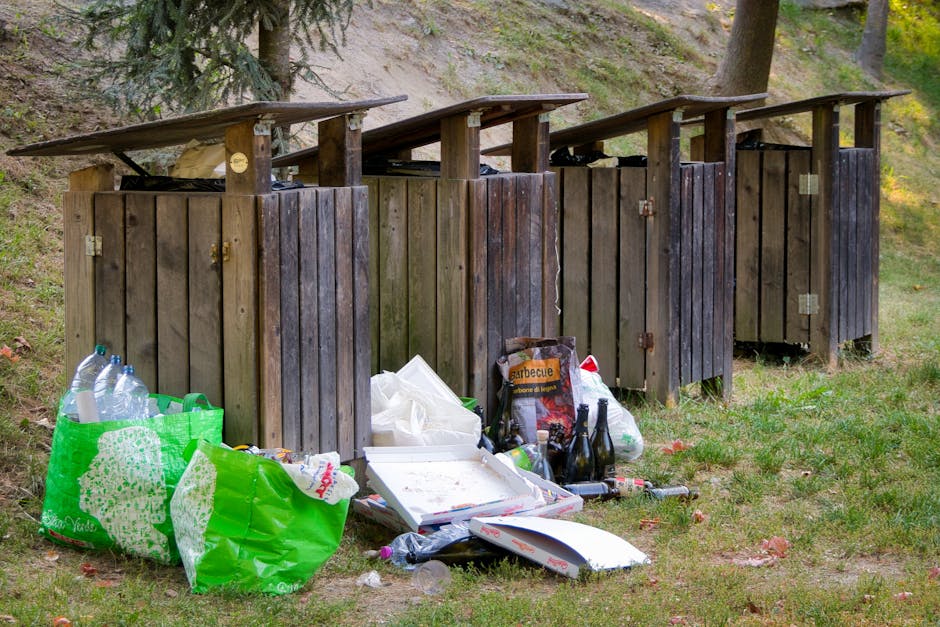
If you have ever tried to move an old sofa down a narrow hallway, wrestle a broken wardrobe through a front door, or figure out what to do with a heavy mattress that absolutely will not bend, you already know the headache behind common problems when clearing bulky rubbish in Hounslow homes. It sounds simple enough at first. In reality, bulky waste often turns into a mix of awkward access, lifting risks, time pressure, disposal rules, and hidden costs. And that is before you even get to the "where on earth is this going to fit?" part.
This guide breaks down the real problems people run into, why they happen, and how to handle them without turning a Saturday morning into a small disaster. Whether you are clearing a flat near the high street, tidying a family home after a move, or shifting garden clutter that has somehow become a second extension of the house, the practical advice below should help.
Why Common problems when clearing bulky rubbish in Hounslow homes Matters
Bulky rubbish is not just "more stuff." It behaves differently from everyday waste. A broken bed frame can catch on bannisters. A fridge can be too heavy for one person but still awkward for two. Garden cuttings can look harmless until they fill a car boot in seconds. The trouble is that bulky items tend to create problems in batches: physical strain, blocked exits, transport issues, and confusion about disposal.
In Hounslow homes, those challenges often get amplified by the practical layout of local properties. Terraced houses with tight hallways, flats with stair-only access, shared entrances, and limited roadside space all make bulky item removal a bit more fiddly than people expect. Truth be told, the "I'll deal with it later" approach usually makes the job harder later. Items get damp, split, or sit in the wrong place for days, and then the whole thing becomes a bigger task than it needed to be.
There is also a wider reason this matters. Bulky rubbish left unmanaged can create trip hazards, block fire exits, attract pests, or lead to disputes in shared buildings. If you are clearing after a move, preparing a property for sale, or sorting through a relative's belongings, the pressure can be emotional as well as logistical. That combination is exactly why the problem deserves a proper plan rather than a quick shove into the nearest corner.
For readers also dealing with property decisions, this topic often sits alongside larger home changes. Some people clearing furniture are also thinking about moving on, downsizing, or preparing a place for the market. If that sounds familiar, you may also find the guide to selling homes in Hounslow useful as a wider planning resource. Likewise, if the property change involves an estate or inheritance, the article on disposing of a relative's property may help with the practical side.
How Common problems when clearing bulky rubbish in Hounslow homes Works
At a basic level, bulky rubbish clearing usually follows the same pattern: identify what needs to go, decide how it will be moved, arrange disposal or collection, and make sure the waste ends up in the right place. Simple in theory. In practice, each step can trip you up.
The first issue is sorting. Not everything bulky is rubbish. Some items can be reused, repaired, donated, or broken down into smaller parts. The second issue is access. Can the item fit through the hallway? Can it be carried downstairs safely? Is there somewhere to park a vehicle close enough to load it without endless back-and-forth?
Then comes the disposal route. Depending on the material, the item may need different handling. Garden waste, builders' rubble, electrical items, and mixed household waste are not all treated the same way. That is where people often get caught out. A large pile of mixed material looks like one job, but the disposal side can be much more complicated.
Another real-world complication is timing. A bulky clear-out often happens around a move, a renovation, an end-of-tenancy deadline, or a life event. No one ever seems to choose a quiet week. So the process needs to be efficient, but also careful. Rushing is where mistakes happen: scratched walls, broken corners, strained backs, and items dumped in the wrong place because the schedule ran away from you.
If you want a practical way to think about the workflow, picture it like this:
- Walk through the property and list every bulky item.
- Separate reusable, recyclable, and waste-only items.
- Check access points, parking, stairways, and lift availability.
- Decide whether you need help, a skip, or a collection service.
- Confirm what can and cannot be taken together.
- Clear the items in a logical order, starting with the most awkward pieces.
- Leave the space safe, swept, and ready for its next use.
That sounds neat on paper. Real homes are messier, naturally. But the sequence helps.
Key Benefits and Practical Advantages
When bulky rubbish is handled properly, the benefits go beyond just having more floor space. The biggest advantage is safety. Heavy lifting injuries are common enough to take seriously, especially when someone tries to "just get it done" without proper help. A good process reduces that risk immediately.
There is also the comfort factor. Once large items are gone, a house feels different. Rooms look bigger, hallways open up, and cleaning becomes easier. You notice it most when you have been living around the clutter for weeks. One day the room smells faintly dusty and cramped; the next, you can actually move through it without sideways shuffling. It is a relief, honestly.
A proper approach also saves time. If you sort items before moving them, you avoid handling the same thing twice. If you check access in advance, you are less likely to face delays at the door. And if you know how different waste types should be dealt with, you reduce the chance of a failed collection or an awkward "sorry, we can't take that" moment.
For some households, the main benefit is peace of mind. That matters more than people admit. A clear plan takes the pressure out of what can otherwise feel like a never-ending task. And if you are comparing clearance services or trying to understand what a job may involve, reading about services overview options can help you make a more informed decision. Cost clarity matters too, so it is worth looking at pricing and quotes information before you commit to anything.
Who This Is For and When It Makes Sense
This topic is relevant to more people than you might think. If you are clearing out a family home, preparing for a move, replacing old furniture, or tidying a property after tenants leave, bulky rubbish becomes part of the job. It is also relevant if you run a small business from home and have old office chairs, filing units, or packaging that now needs shifting.
It makes sense to plan for bulky rubbish clearing when:
- furniture is too large or damaged to keep
- appliances are no longer working and cannot be left outside
- a room needs to be emptied quickly for decorating or repair
- a landlord, buyer, or agent has asked for the property to be cleared
- garden waste has built up after pruning, landscaping, or a storm
- you want to avoid multiple trips to the tip and the queue that usually comes with them
People often underestimate just how much time bulky clearance steals from the rest of a weekend. One sofa is rarely just one sofa. It is often a cushion, a frame, a question mark over whether it can be dismantled, and then a debate about what the screws are doing in the kitchen drawer. A bit dramatic? Maybe. But anyone who has done it knows the feeling.
If you are based near busier parts of the borough and need a quicker understanding of the practicalities, it can help to read location-focused advice like the Hounslow High Street guide to rubbish removal for residents or the notes on rubbish collection near Syon Park. The details vary by street and access, which is exactly why a local view is useful.
Step-by-Step Guidance
Here is a practical way to approach bulky rubbish clearing without overcomplicating it.
1. Do a full room-by-room sweep
Walk through the home with a notebook or phone list. Write down every item that needs to go, even the ones you are only half-decided about. It is better to decide once than keep revisiting the same chair three times.
2. Separate by type and condition
Split items into obvious groups: furniture, appliances, garden waste, DIY debris, and general clutter. Then mark what is reusable, what is recyclable, and what is simply beyond saving. This makes the next decision much easier.
3. Measure awkward items and access points
Measure doorways, stair widths, and especially anything narrow like side entrances or loft hatches. A quick measurement can prevent a lot of swearing later. It is the unglamorous part, but it saves time.
4. Check lifting and carrying routes
Look for slippery steps, loose rugs, low ceilings, sharp corners, and anything that might snag. If an item needs two people to carry it, make sure that is actually possible before you start.
5. Decide whether dismantling is worth it
Some items are best moved in pieces. A wardrobe that feels impossible in one lump may become manageable once it is taken apart carefully. Keep screws and fittings in a labelled bag. That tiny step feels dull in the moment and brilliant later.
6. Arrange the right disposal route
Use the route that best matches the waste type and volume. Mixed bulky waste, green waste, and construction debris may need different handling. If your clear-out includes renovation material, it may help to compare it with builders' waste disposal in Hounslow to understand the distinction.
7. Clear from the easiest exit inward
It often works better to move items in the reverse order you stacked them. Start with the most awkward pieces that are closest to the exit. You create room as you go, which makes everything feel less chaotic.
8. Do a final safety and tidiness check
Once the bulky rubbish is gone, check for nails, broken glass, splinters, or loose packaging. A swept floor and clear walkway make the whole job feel properly finished.
Expert Tips for Better Results
In our experience, the difference between a smooth bulky clear-out and a painful one usually comes down to preparation. Not fancy preparation. Just the simple, practical kind people skip when they are in a hurry.
- Move small items first. Clearing side tables, lamps, or loose clutter creates room for the big pieces.
- Protect corners and floors. Blankets, cardboard, and door guards can stop unnecessary scuffs.
- Keep a tool kit nearby. Screwdrivers, tape, gloves, and a knife for cutting straps save time.
- Don't overfill bags. It is not a badge of honour. It is just back pain waiting to happen.
- Plan around parking and access. If the vehicle cannot get close enough, the job becomes slower and more tiring.
- Think in stages. One room, then the next. The whole property at once can feel overwhelming.
A useful local habit is to think about timing too. Early mornings are often calmer, especially if you need to move large items through shared entrances or a busy street. Less foot traffic. Less fuss. More room to breathe.
One more thing: keep an eye on what should be reused or recycled before you treat everything as rubbish. A lot of bulky waste is simply "bulky and inconvenient," not necessarily worthless. That mindset can make the clear-out feel better, and it is kinder on the environment too. If sustainability matters to you, the page on recycling and sustainability is worth a look.

Common Mistakes to Avoid
Most bulky rubbish problems are not caused by the size of the items alone. They happen because people underestimate one or two key details. Usually access, weight, or timing. Sometimes all three. Here are the mistakes that show up again and again.
- Guessing the weight. A wardrobe that looks manageable may be far heavier than expected.
- Forgetting about stairs and corners. It only takes one tight turn to stop progress.
- Mixing everything together. That makes sorting, loading, and disposal much harder.
- Leaving clearance until the last minute. Deadlines create poor decisions, and then everyone gets stressed.
- Not checking what is actually allowed. Some items need special handling, especially electricals or mixed materials.
- Assuming a vehicle can park anywhere. In reality, access and loading space can be the difference between easy and impossible.
- Ignoring safety gear. Gloves, sturdy shoes, and decent lifting technique are not optional extras.
There is also the classic mistake of measuring success by how fast the pile disappears, rather than whether it disappears safely. Speed matters, yes. But a tidy injury is still an injury. A slightly slower job is often the smarter one.
If cost is a worry, be careful about comparing quotes too quickly. A low number can look tempting, but what is actually included? If you want to avoid surprises, read how to avoid hidden fees in Hounslow rubbish removal quotes. It is a small read that can save a lot of frustration.
Tools, Resources and Recommendations
You do not need a van full of specialist kit to deal with bulky rubbish, but a few practical tools make the whole job easier.
| Tool or resource | Why it helps | Best used for |
|---|---|---|
| Work gloves | Protects hands from splinters, rough edges, and grime | Furniture, broken wood, mixed household items |
| Trolley or sack truck | Reduces lifting strain on heavy items | Appliances, boxed clutter, dense furniture |
| Measuring tape | Helps you check access before moving anything | Wardrobes, sofas, beds, stairwells |
| Blankets/cardboard | Protects walls, floors, and door frames | Narrow hallways and shared entrances |
| Basic screwdriver set | Useful for dismantling large items | Flat-pack furniture, beds, cabinets |
| Labels or marker pen | Keeps parts, bags, and screws organised | Room-by-room clear-outs and dismantling |
For many households, the best resource is simply a reliable plan. That sounds almost too obvious, but it works. If the job is larger than expected, the page on house clearance in Hounslow can give you a clearer idea of structured clearing support, while rubbish collection in Hounslow is useful if you mainly need items taken away rather than a full property clear.
And if the clutter has moved outdoors too, do not forget the garden. It is easy to start with a shed and end up with a small forest of broken planters, old fencing, and clipped branches. For that, garden waste removal in Hounslow may be the better fit.
Law, Compliance, Standards, or Best Practice
Bulky rubbish clearing is not just a practical job; it also has a compliance side. You do not need to memorise legislation to be sensible about it, but you do need to know that not all waste can be treated the same way.
In the UK, waste should be managed responsibly and handed to people or services that are set up to deal with it properly. That means checking that items are taken to legitimate disposal or recycling routes, especially when there are electrical goods, potentially reusable items, or mixed construction material involved. You should also be cautious with anything that may contain sharp metal, glass, fluids, or mould.
For householders, the best practice is straightforward:
- do not dump bulky items on pavements or shared areas
- separate waste streams where possible
- keep an eye on safety when moving large or heavy objects
- confirm that any service you use handles waste lawfully
- be honest about what is included in the load
If you are unsure about security, payment, or how a provider handles your booking details, pages such as payment and security and insurance and safety are helpful references. They do not replace judgement, of course, but they do show the kind of information a careful customer should look for.
There is also a sustainability angle. Reuse, repair, recycle, then dispose. That order is still a sensible rule of thumb for most homes. It keeps perfectly usable items out of the waste stream and usually makes the whole process feel a bit more respectable, which is no bad thing.
Options, Methods, or Comparison Table
When people clear bulky rubbish, they usually choose between a few practical methods. The right option depends on volume, access, urgency, and how much physical lifting you are happy to do.
| Method | Best for | Pros | Possible drawbacks |
|---|---|---|---|
| DIY clear-out | Small amounts, light items, good access | Low upfront spend, full control | Heavy lifting, transport, time, disposal uncertainty |
| Hire a skip | Ongoing renovation or large mixed loads | Convenient for staged loading | Needs space, can be awkward for heavy furniture, permit issues may apply |
| Booked collection | Bulky household waste needing quick removal | Less lifting for you, simple scheduling | Needs clear access and accurate item descriptions |
| Full house clearance | Whole-home or major declutter jobs | Efficient, organised, less stress | May be more than needed for a small job |
For a lot of Hounslow homes, booked collection or structured clearance is the sweet spot. It is often the simplest answer when you have a sofa, mattress, broken cabinet, and a few extras that are all getting in the way at once. If your project is more business-like, such as clearing desks or shelving from a home office, office clearance in Hounslow can be the more relevant route.
A quick note on same-day help: it sounds ideal, and sometimes it is. But if access is tight, roads are busy, or you have not described the load properly, delays can still happen. That is why reading about same-day rubbish collection delays in Hounslow can be useful before you rely on a rush solution.

Case Study or Real-World Example
Here is a realistic example from the sort of job many households recognise.
A family in a terraced house wanted to clear a large sofa, a dismantled bunk bed, two mattresses, and a stack of broken children's storage units before new flooring was fitted. On paper, it looked like a morning's work. In reality, the sofa would not turn cleanly on the stairs, the bed frame had awkward metal brackets, and the hallway was narrower than expected because of a built-in cupboard that everyone had ignored during planning.
The first attempt involved moving the sofa straight out. That failed. After that, the team changed approach: they measured the stair corner, removed one door where possible, wrapped the frame edges, and dismantled the bed before moving the sofa again. Problem solved. Not glamorous, just sensible.
The biggest lesson was not about muscle. It was about sequencing. Once the bulky items were broken into the right order, the job stopped feeling impossible. The final room was clear by lunchtime, and the family could actually start the flooring work without stepping around half a home's worth of furniture.
That is the pattern you see again and again. The item is rarely the real problem. The setup is.
Practical Checklist
Use this before you start moving bulky rubbish out of the house:
- List every bulky item you want removed
- Separate furniture, electricals, garden waste, and DIY debris
- Check door widths, stairs, lifts, and outside access
- Measure anything you think might snag or jam
- Decide what can be reused, donated, or recycled
- Prepare gloves, tools, and protective coverings
- Clear a path from the item to the exit
- Arrange help if lifting is more than one person can safely manage
- Confirm the disposal route or collection method
- Set aside time for a final sweep-up
Expert summary: the safest and least stressful bulky rubbish clear-outs are usually the ones that are planned in small steps, not rushed in one go. Measure first, move second, and keep the disposal route clear in your head before anything gets lifted. That simple habit prevents a surprising amount of chaos.
If you are unsure where to begin, start with the easiest item and work toward the hardest. Momentum helps. So does a cup of tea, if we are being honest.
Get a free quote today and see how much you can save.
Conclusion
The common problems when clearing bulky rubbish in Hounslow homes usually come down to the same handful of issues: awkward access, heavy lifting, mixed waste types, time pressure, and unclear disposal plans. Once you understand those friction points, the job becomes much more manageable. You do not need to turn it into a perfect operation. You just need a safe, sensible one.
For many people, the smartest move is to plan the clearance around the property, not around wishful thinking. Measure the route. Separate the waste. Decide what needs help. And if the pile is bigger, heavier, or more awkward than you first expected, that is not failure. It is just reality showing up early.
Clear the space well, and the house feels lighter. A bit calmer too. That matters more than it sounds.

Copyright © . House Clearance Hounslow. All Rights Reserved.